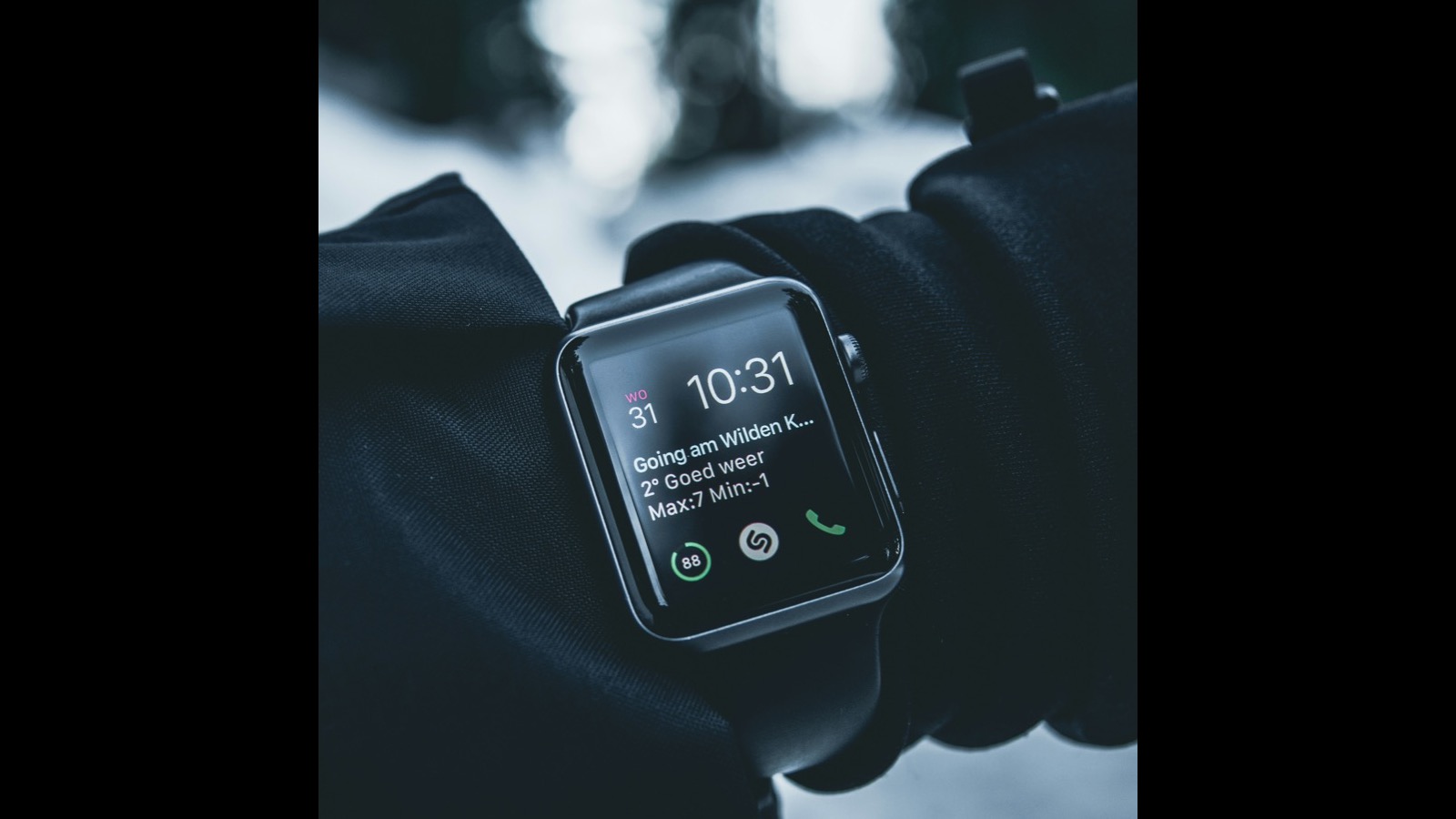
Your resting heart rate is the quietest number on your wrist — and one of the most honest. It doesn't care what you planned to do today. It just reflects how hard your heart has to work to keep you alive when you're doing nothing at all. And when that number creeps up day after day, it's usually trying to tell you something.
Maybe you've opened your Apple Watch Health app and noticed your resting heart rate sitting 5–10 beats higher than it was last month. Maybe your doctor mentioned it at a checkup. Or maybe you're an athlete who's seen your number drift up during a hard training block and you want it back down where it belongs.
Good news: resting heart rate is one of the most trainable heart metrics you own. It responds to real, boring, evidence-based habits — not magic supplements. This guide walks you through what your resting heart rate actually means, the causes of a high reading, and the specific interventions that lower it, ranked by how much they actually move the needle.
TL;DR: Your resting heart rate comes down mainly through three things: building aerobic fitness (Zone 2 work), sleeping consistently, and cutting alcohol. Expect a meaningful drop within 4–8 weeks of consistent Zone 2 training, and see a jump within days of fixing your sleep. Single readings don't matter — watch the weekly trend in your wearable. A resting heart rate persistently above 100 bpm, or a sudden unexplained spike, is worth a doctor's visit.
YouTube: Related video
First: what your resting heart rate actually is
Resting heart rate (RHR) is the number of times your heart beats per minute when you're awake, calm, and not moving — ideally measured lying down, first thing in the morning, before coffee. It's the baseline your heart needs to pump blood while you do absolutely nothing.
Here's the key thing to understand: a lower resting heart rate usually means a stronger, more efficient heart. Every beat pumps a certain volume of blood (stroke volume). Fit hearts pump more blood per beat, so they need fewer beats to deliver the same amount. That's why endurance athletes often sit in the 40s and 50s while the average adult sits in the 60s and 70s.
| Category | Resting heart rate (bpm) |
|---|---|
| Elite endurance athlete | 40–50 |
| Well-trained recreational athlete | 50–60 |
| Average healthy adult | 60–80 |
| Higher end of normal | 80–100 |
| Above 100 (tachycardia) | Worth a doctor's visit |
Your "normal" is your normal, though. What matters most isn't comparing yourself to a chart — it's your own baseline and how your number trends over weeks.
The one rule before you do anything: trends, not single readings
If you're going to take one thing from this post, take this: your resting heart rate on any given morning is mostly noise. It moves with sleep quality, last night's dinner, the temperature of your room, a stressful email you read before bed, and about a hundred other things.
What matters is the trend — your 7-day or 30-day average. A single morning at 68 when your average is 61 is a blip. A week where every single morning is 66–70 when your average was 61 is a signal.
This is exactly why wearables are so useful here: an Apple Watch or Garmin quietly collects a reading every night while you sleep and does the averaging for you. If you use something like Century AI, you get that resting heart rate trend packaged with your recovery score and sleep data — which matters because RHR rarely moves in isolation. It moves with everything else.
Why is my resting heart rate high? The checklist
Before you try to lower your RHR, figure out why it's elevated in the first place. Work through this list:
- Sleep debt. Short or broken sleep reliably pushes RHR up a few beats. One bad night → slightly higher. A week of bad nights → consistently higher.
- Alcohol. This is the single biggest short-term lever. Alcohol raises your heart rate for hours — often 5–10+ bpm — and it's worst in the second half of the night.
- Overtraining / under-recovery. If your training load has jumped and your RHR has crept up with it, that's your body saying it's not keeping up. This is one of the classic early warning signs.
- Stress. Mental stress keeps your sympathetic nervous system (fight-or-flight) switched on. Your heart doesn't know the difference between a deadline and a predator.
- Dehydration. Less blood volume means your heart has to beat faster to move the same amount of oxygen.
- Caffeine. For some people, daily caffeine keeps RHR a few bpm elevated, especially with afternoon coffee.
- Heat. Hot weather and hot rooms push RHR up as your body works to shed heat. This is also why your RHR reads higher in summer — it's not always a fitness problem.
- Illness or coming down with something. A creeping RHR is often the first sign your immune system is fighting something. Your wearable might flag this before you feel sick.
- Medications or thyroid issues. Some meds (and conditions like hyperthyroidism) raise RHR. If nothing above explains a sustained rise, talk to a doctor.
Work through that list honestly, because fixing the cause is what actually lowers the number. Training harder while you're sleep-deprived, stressed, and dehydrated is like mopping the floor while the tap is still running.
The #1 long-term lever: Zone 2 training
Here's the mechanism behind the most effective way to lower your resting heart rate: your heart is a muscle, and like any muscle, it adapts to the demands you place on it. When you do regular aerobic work — especially lots of easy, Zone 2 cardio — your left ventricle slowly gets bigger and stronger, your stroke volume goes up, and your heart needs fewer beats per minute to do its job.
This doesn't happen overnight. The heart's structural adaptation takes weeks to months of consistent training. But it's the difference between managing your RHR and permanently lowering it.
The best part: you don't need brutal workouts to get this effect. Zone 2 — the easy, conversational intensity around 60–70% of your max heart rate — is the sweet spot. It's sustainable, it's low-injury, and it builds exactly the aerobic base that lowers RHR. Three to four sessions of 30–60 minutes per week is a very reasonable starting dose.
If you're new to Zone 2, the practical rule is the talk test: you should be able to hold a full conversation but not sing. On an Apple Watch, that's typically the low end of Zone 2 in your heart rate zones. The Century AI daily score is a handy way to see your aerobic work paying off over months — your recovery score and RHR trend should move in the same favorable direction.
Sleep: the fastest lever you have
If Zone 2 is the slow, structural fix, sleep is the fast one. The research here is remarkably consistent: sleep restriction raises resting heart rate, and recovery sleep brings it back down. Even a single night of poor sleep shows up in your morning reading.
What actually matters:
- Duration. Most adults need 7–9 hours. Consistently getting 6 or less will keep your RHR elevated.
- Consistency. Going to bed and waking at roughly the same time every day (yes, including weekends) is arguably more powerful than duration alone. Irregular sleep schedules stress the body even when total hours are OK.
- Quality. Fragmented sleep — waking up repeatedly even if you don't remember it — has the same effect as short sleep. Your wearable's sleep stage data will show this.
Fix sleep first. It's the highest-leverage intervention because it amplifies everything else: you recover better, train better, and handle stress better, all of which push RHR down.
Alcohol: the biggest single-night spike
If you want the fastest observable change in your resting heart rate, change what you drink. Alcohol reliably raises nighttime heart rate — the classic "why is my resting heart rate high after drinking?" phenomenon. Studies have shown that even moderate drinking elevates heart rate for hours, and the effect is worst in the second half of the night when your body is processing the alcohol.
The numbers people typically see: a few drinks → RHR up 5–10 bpm the following night. A heavy night → even higher, and it can take 48+ hours to normalize. If you're serious about lowering your resting heart rate, treating alcohol as a sometimes-food rather than a nightly ritual is one of the most effective moves available.
You don't need to go teetotal — but note what happens in your wearable the day after you drink. For most people, the data makes the decision for them.
Stress, breathing, and the smaller levers
Once training, sleep, and alcohol are handled, these smaller levers can shave off the last few beats:
- Daily stress management. Even 10 minutes of slow breathing (around 6 breaths per minute) activates your parasympathetic "rest and digest" system, which directly slows your heart. Doing it daily is more powerful than doing it only when stressed.
- Hydration. Drink enough water, especially in summer or when you're training. Dehydration raises RHR, and rehydration lowers it.
- Caffeine timing. If you're sensitive, keep caffeine to the morning and cut it by early afternoon. Watch your wearable — you'll see the effect clearly.
- Heat management. Sleep in a cool room (65–68°F / 18–20°C). If it's hot, expect RHR to run higher; don't panic-train through a heat wave.
- Regular movement. Sitting all day stiffens the system. Even short walks help keep your circulation and nervous system in a better place.
One caution: don't chase supplements promising to lower RHR. There's no meaningful evidence that any pill does what consistent training, sleep, and lifestyle changes do.
How fast will it actually come down?
Realistic timelines, so you don't get discouraged:
| Intervention | When you see it | How much |
|---|---|---|
| Fixing a sleep deficit | 2–3 nights | Back to your normal baseline |
| Cutting alcohol | Next morning | 5–10 bpm off after-drinking nights |
| Consistent Zone 2 training | 4–8 weeks | 3–8 bpm, continuing to improve for months |
| Managing chronic stress | 2–4 weeks | 2–5 bpm, variable |
| Weight loss (if relevant) | Months | Roughly 1 bpm per few kg lost |
The pattern to expect: fast drops from lifestyle fixes, slow steady improvement from aerobic training. The training improvement is the one that stays — the lifestyle fixes are maintenance.
How to track it properly
Measure the right way and you'll actually learn something:
- Let your wearable do it. Apple Watch measures RHR automatically during sleep and stillness. Don't manually take your pulse at random times of day — activity, food, and stress will confuse you.
- Look at weekly averages. The 7-day average smooths out the noise. A 30-day average shows your true direction.
- Pair it with context. RHR is most useful when read alongside sleep, HRV, and training load. That's the whole idea behind a daily health score like Century AI: a single morning number that tells you whether your body is trending up or down — and what to do about it today.
When to see a doctor
Resting heart rate is a wellness metric, but it's also a medical one. See a doctor if:
- Your resting heart rate is persistently above 100 bpm (tachycardia).
- It drops suddenly and dramatically (below 40s, or a big unexplained jump down) with symptoms like dizziness or fainting.
- You get a sustained unexplained rise — up 10+ bpm for weeks with no training, sleep, or lifestyle change to explain it.
- You have chest pain, shortness of breath, or palpitations alongside any of the above.
For the other 95% of us, the answer is boring and effective: train easy and consistently, sleep properly, drink less, breathe more, and watch the trend — not the number.
The bottom line: your resting heart rate is a report card for how well your body is recovering from everything you're throwing at it. Lower it with the things that actually build a stronger, calmer system: Zone 2 miles, honest sleep, fewer drinks, and less chronic stress. Give it a month of consistent effort and your morning number will almost certainly be lower — and more importantly, your body will feel the difference behind it.
Century AI helps you understand your body with a daily health score, recovery score, and sleep insights — using the watch you already wear.